John the Baptist was Elijah. That means the day was near.
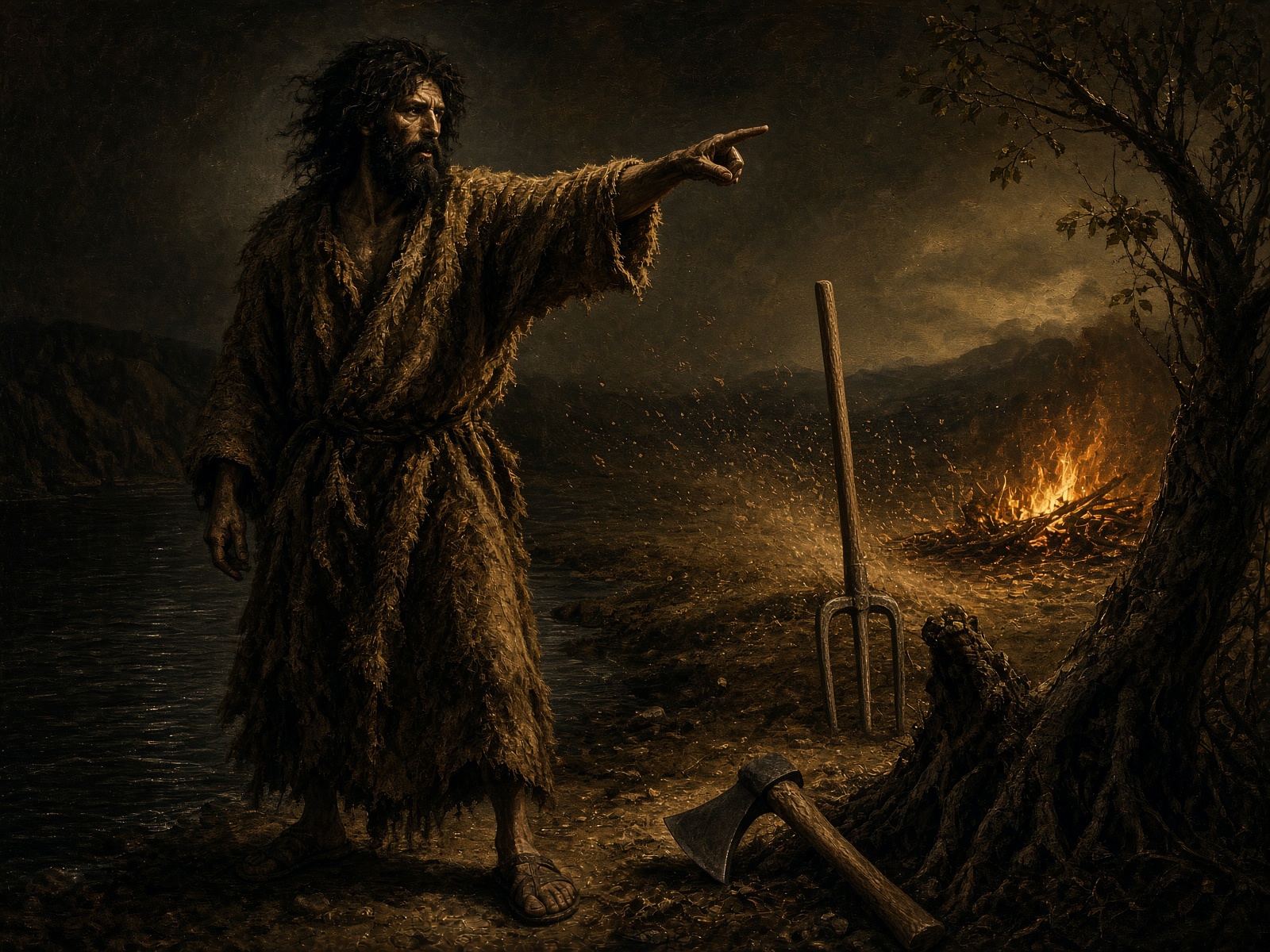
Malachi closes the Old Testament with a promise and a timestamp: "Behold, I will send you Elijah the prophet before the great and awesome day of the LORD comes… lest I come and strike the land with a decree of utter destruction" (Malachi 4:5–6). Elijah comes first, then the day. The two are tied together. Malachi had already said the same thing a chapter earlier: "Behold, I send my messenger, and he will prepare the way before me. And the Lord whom you seek will suddenly come to his temple… But who can endure the day of his coming?" (Malachi 3:1–2). Messenger, then the Lord, then a day nobody can stand in. That's the sequence.
Now, who was the messenger? The angel told Zechariah his son would "go before him in the spirit and power of Elijah, to turn the hearts of the fathers to the children" (Luke 1:17), quoting Malachi 4:6 word for word. And Jesus removed all doubt: "if you are willing to accept it, he is Elijah who is to come" (Matthew 11:14). When the disciples asked why the scribes said Elijah must come first, Jesus answered, "Elijah has already come, and they did not recognize him, but did to him whatever they pleased… Then the disciples understood that he was speaking to them of John the Baptist" (Matthew 17:12–13). John was Elijah. Jesus said it twice.
So here's the question the whole thing turns on. If Elijah came before the great and awesome day of the LORD, and Elijah came in the first century, when was the day?
Listen to what Elijah preached when he arrived. Not "someday." "Repent, for the kingdom of heaven is at hand" (Matthew 3:2). And when the Pharisees and Sadducees showed up at the river, he didn't warn them about a judgment on some distant nation: "You brood of vipers! Who warned you to flee from the wrath to come?" (3:7). Then the two images. "Even now the axe is laid to the root of the trees. Every tree therefore that does not bear good fruit is cut down and thrown into the fire" (3:10). The axe is not in the shed. It's at the root, now. And then: "His winnowing fork is in his hand, and he will clear his threshing floor and gather his wheat into the barn, but the chaff he will burn with unquenchable fire" (3:12). The winnowing fork is already in the Messiah's hand. The harvest is starting.
That word matters, because Jesus tells us what the harvest is. "The harvest is the end of the age" (Matthew 13:39), when "the Son of Man will send his angels, and they will gather out of his kingdom all causes of sin and all law-breakers, and throw them into the fiery furnace" (13:41–42). John says the fork is in hand. Jesus says the harvest is the end of the age. Put those together and the end of the age wasn't twenty centuries out. It was on the threshing floor.
And the fire? Go back to Malachi, the chapter that promised Elijah: "For behold, the day is coming, burning like an oven, when all the arrogant and all evildoers will be stubble. The day that is coming shall set them ablaze" (Malachi 4:1). Stubble. Chaff. Unquenchable fire. John is preaching Malachi 4 to the people Malachi 4 was written about, and telling them it's here. Jesus later put the date on it Himself, to the same crowd, in the same city: "all these things will come upon this generation" (Matthew 23:36). And it came. In AD 70 the axe fell on the tree, the floor was cleared, and the city Malachi said would be struck with utter destruction burned.
Somebody will say, "But John himself said he wasn't Elijah" (John 1:21). Right, and look at who asked. Priests and Levites wanting to know if he was Elijah come back down from heaven in person. He wasn't. He was, as the angel said, Elijah "in the spirit and power," which is exactly what Jesus meant when He said "he is Elijah, if you are willing to accept it." And somebody else will say Jesus promised a future Elijah: "Elijah does come, and he will restore all things" (Matthew 17:11). Keep reading. The very next words are "But I tell you that Elijah has already come." Jesus states the scribes' expectation and then tells them it's fulfilled.
Here's what's at stake. If you push the great and awesome day of the LORD two thousand years past John, you have to do one of two things: cut Elijah loose from the day Malachi tied him to, or send another Elijah. Popular prophecy teaching does the second, which is why you've heard that Elijah is one of the two witnesses still to come. But Jesus didn't say Elijah is coming again. He said Elijah came, they didn't know him, and they did to him what they wanted. Then they did the same to the One he announced.
The kingdom at hand. The axe at the root. The fork in His hand. Elijah said the day was near, and the Lord who sent him said Elijah was right.