The gospel must be proclaimed through the whole world before the end. Most think that's still future. What does Scripture say?
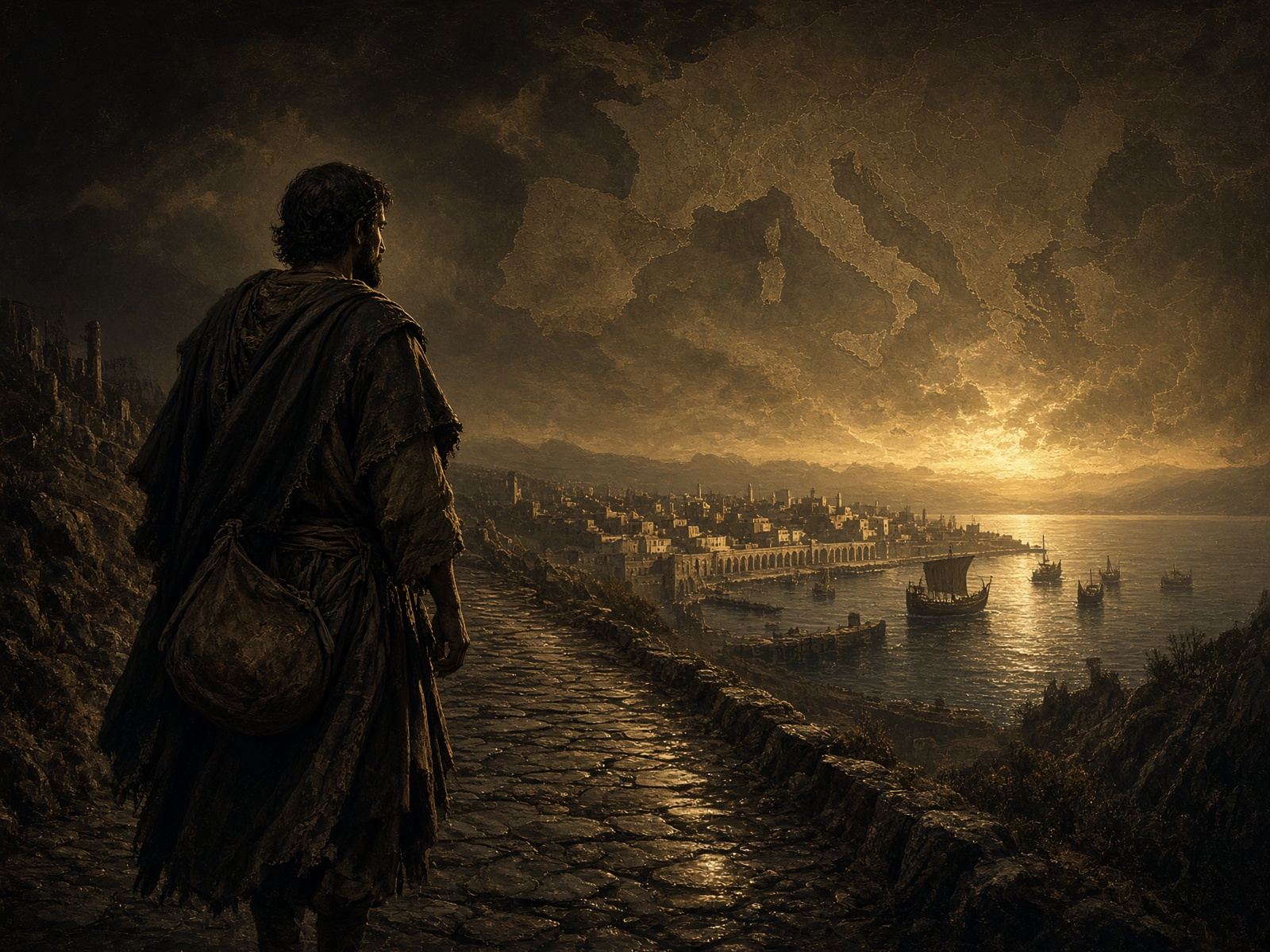
Jesus gave one condition for the end. Not wars, not earthquakes, not a rebuilt temple. This: "this gospel of the kingdom will be proclaimed throughout the whole world as a testimony to all nations, and then the end will come" (Matthew 24:14). Gospel preached to the nations, then the end. If you want to know when the end came, find out when the gospel reached the nations.
Luke tells you where that started. At Pentecost "there were dwelling in Jerusalem Jews, devout men from every nation under heaven" (Acts 2:5), and then he names them: Parthians, Medes, Elamites, Mesopotamia, Judea, Cappadocia, Pontus, Asia, Phrygia, Pamphylia, Egypt, Libya, Rome, Crete, Arabia. Every nation under heaven, seated in one city, hearing the gospel in their own languages on the first day it was preached. Luke defines the phrase for you before anybody can argue about it.
Thirty years later Paul uses the same phrase to say the job is done. The gospel "has been proclaimed in all creation under heaven" (Colossians 1:23). "In the whole world it is bearing fruit and increasing" (1:6). To Rome: the gospel "has been made known to all nations" (16:26). Read those as Paul's report on Matthew 24:14. The condition Jesus named had been met, in writing, before Jerusalem fell.
Now put Paul's other "end" next to it. "Then comes the end, when he delivers the kingdom to God the Father after destroying every rule and every authority and power. For he must reign until he has put all his enemies under his feet. The last enemy to be destroyed is death" (1 Corinthians 15:24–26). Paul told the same Corinthians they were the ones "on whom the end of the ages has come" (1 Corinthians 10:11). Peter told his readers "the end of all things is at hand" (1 Peter 4:7). Nobody in the New Testament treats "the end" as a date two thousand years out. They treat it as the thing the gospel's spread was bringing on, in their lifetime.
Isaiah saw the whole sequence seven centuries early, in one chapter. It opens with the Lord coming in judgment: "Behold, the LORD is riding on a swift cloud and comes to Egypt; and the idols of Egypt will tremble at his presence" (Isaiah 19:1). Nobody thinks God literally flew into Egypt on a cloud; it's how the prophets describe God judging a nation through history, and it's the exact language Jesus used for His own coming, "on the clouds of heaven with power and great glory" (Matthew 24:30). Then the same chapter turns to the nations: "In that day there will be an altar to the LORD in the midst of the land of Egypt" (19:19), "a highway from Egypt to Assyria" (19:23), and the sentence no one in Israel saw coming: "Blessed be Egypt my people, and Assyria the work of my hands, and Israel my inheritance" (19:25). Israel's two oldest enemies, called "my people" and "the work of my hands," worshiping alongside her as one. Judgment on the old order and the nations brought in, in the same chapter, by the same cloud-riding Lord. Look back at Luke's list in Acts 2. Egypt is on it. Mesopotamia, which is Assyria's ground, is on it. Isaiah's highway had traffic on it the morning the church was born.
Isaiah promised the nations would be joined to Israel's God while the Lord came on a cloud against the old order. Pentecost seated every nation under heaven in Jerusalem to hear it. Paul said it had been proclaimed to all creation under heaven. Jesus said when that happened, the end would come.
If "the end" is still future, then Paul was wrong about the gospel reaching all creation under heaven, or Jesus was wrong about what would follow. I don't think either of them was wrong. I think we've been reading "the end" as the end of the planet when Jesus and Paul meant the end of the age, and the age they meant ended exactly when they said it would.
Two honest notes, because people have raised them. Acts 2:5 is Jews from every nation, not the nations themselves; I use it for Luke's definition of the phrase "every nation under heaven," and the Gentile harvest is Colossians 1:6 and 23. And the precondition being met doesn't end the Commission: "make disciples of all nations" has no sunset clause, the gospel is "eternal" (Revelation 14:6), and the gates stay open (22:17). Finished as a precondition for the end of the age; never finished as a mission.
"Then the end will come." Paul said the "then" had arrived. Then it did.